Dream Mermaid: The Whimsical Font for Creative Projects
When a project calls for a touch of magic, a dash of whimsy, and an undeniable sense of artistry, the choice of typeface becomes more than a technical decision—it becomes a core part of the story you're telling. This is where Dream Mermaid enters the scene. It's not just a set of letters; it's a premium font designed to inject personality and a handcrafted feel into your work. For designers, entrepreneurs, and creators looking to move beyond the ordinary, understanding how to harness this creative font can transform the impact of your visual communication.
Anatomy of a Whimsical Typeface
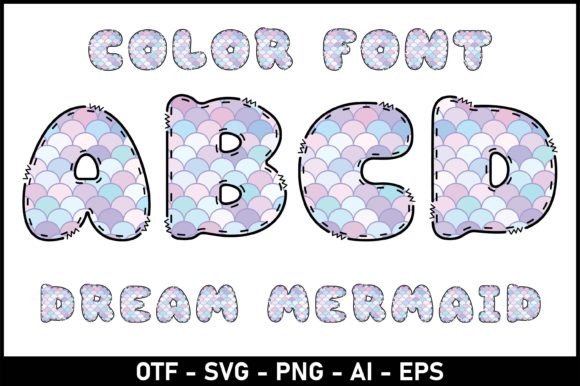
At its heart, Dream Mermaid is a display font with a distinct handwritten font quality. Its characters flow with a fluid, organic rhythm, reminiscent of gentle waves or the strokes of a skilled calligrapher. The letters often feature playful loops, subtle swashes, and a balanced weight that gives it presence without overwhelming a design. This isn't a rigid serif font for body text, nor a stark sans serif font for utility. Instead, it occupies a special niche as a script font that feels both artistic and accessible.
The visual personality of Dream Mermaid is one of gentle fantasy and creative confidence. It evokes a sense of storybook charm, making it immediately relatable for projects targeting families, children, or anyone with a love for imaginative themes. Yet, its execution is professional enough to elevate a brand identity or a piece of editorial design. The overall appeal lies in its ability to be simultaneously whimsical and sophisticated, a combination that makes it a versatile tool in a designer's toolkit.
Strategic Applications Across Creative Fields
The true value of a font like Dream Mermaid is realized when it's applied to the right context. Its strengths shine in projects where emotion and narrative take center stage.
- Branding and Marketing: For small businesses, especially those in the artisan, children's product, or wellness spaces, this font can become a cornerstone of logo design and packaging. Imagine it on a boutique bakery's logo, a handmade jewelry brand's tags, or the header of a yoga studio's website. It instantly communicates care, creativity, and a personal touch, strengthening brand identity and fostering audience engagement.
- Publishing and Editorial: In editorial design, Dream Mermaid excels as a headline or pull-quote font for magazines, blog graphics, or book covers—particularly in genres like fantasy, romance, or children's literature. It sets a mood before a single paragraph is read, enhancing visual hierarchy and drawing the reader into the content's world.
- Digital and Social Media: On social platforms, where standing out is paramount, this font can make social media graphics pop. It's perfect for quote images, Instagram story headers, or promotional banners for online courses and creative workshops. Its personality aids in brand recognition, helping your content become instantly identifiable in a crowded feed.
- Personal and Craft Projects: For hobbyists and crafters, especially those using cutting machines, the black version of Dream Mermaid is a fantastic design asset. It's compatible with Cricut Design Space, making it ideal for creating custom invitations, greeting cards, scrapbook elements, and personalized gifts that carry a professional, artistic flair.
Making the Most of Dream Mermaid: Practical Guidance
Choosing a font is just the first step. Using it effectively requires a bit of strategy. Here’s how to integrate Dream Mermaid into your projects with purpose.
Evaluating Project Fit and Readability
Before committing, ask if the font's personality aligns with your project's goal. Dream Mermaid is superb for evoking a specific feeling but may not be the best choice for dense, long-form reading. Its primary role is as a display font for short, impactful text. Always test its readability at the intended size and on the target medium—whether a computer screen, a printed poster, or a small product label.
Mastering Font Pairing and Hierarchy
The key to professional typography is contrast and balance. A whimsical script font like Dream Mermaid pairs beautifully with clean, neutral typefaces. Try combining it with a simple sans serif font for body text or supporting information. This creates a clear visual hierarchy: the Dream Mermaid headline captures attention and sets the tone, while the paired font ensures the core message remains legible and easy to consume.
Understanding Styles and Licensing
Review the full package. Often, a premium font like this will include multiple styles or weights. Check if it includes a bold or light version to expand your creative options. Crucially, understand the licensing. For commercial work—such as client projects, products for sale, or monetized content—ensure you have the appropriate commercial font license. This is a non-negotiable aspect of professional and ethical design assets management.
A Note on Compatibility
It's vital to be aware of technical specifications. The color version of Dream Mermaid offers vibrant, multi-hued letters but has specific software requirements, working in programs like Adobe Photoshop and Illustrator. For broad compatibility, especially with crafting software like Cricut Design Space, the standard black version is your go-to. Always check compatibility guides to ensure a smooth workflow.
Ultimately, Dream Mermaid is more than a decorative choice. It's a strategic tool for infusing projects with warmth, creativity, and a distinct narrative voice. By applying it thoughtfully to the right contexts and pairing it wisely, you can leverage its whimsical charm to create more engaging, memorable, and effective designs that resonate deeply with your audience.